What is IB professional development: a 2026 guide
IB professional development is defined as the structured, ongoing learning process through which educators build the specialised knowledge and skills required to deliver International Baccalaureate programmes effectively. It encompasses IB teacher workshops, IB Educator Certificates, and participation in professional learning communities. For school administrators, understanding this framework is not optional. It directly determines programme quality, teacher effectiveness, and compliance with IB authorisation standards. The core elements include three workshop categories, the IB Educator Certificate pathway, and the IB Educator Network, each serving a distinct purpose in an educator’s growth.
What is IB professional development: workshop categories explained
IB workshops form the foundation of educator training within the IB framework. The IB organises these into three progressive categories, each targeting a different stage of professional readiness.
IB workshops vary by category: Category 1 provides an entry-level introduction to IB philosophy and programme structure. Category 2 offers deeper exploration of curriculum design and pedagogy. Category 3 focuses on advanced subject expertise and curriculum updates. This progression means a newly appointed Biology teacher and a seasoned IB coordinator have distinct, appropriate pathways.

Compliance requirements under the 2026 IB standards are specific. Schools must have at least one teacher per subject group complete a Category 3 workshop during evaluation periods, and all new hires within the review period must attend a Category 1, 2, or 3 workshop. These are not recommendations. They are conditions for maintaining authorisation.
| Workshop category | Focus | Who it targets | Compliance role |
|---|---|---|---|
| Category 1 | IB philosophy and programme introduction | New IB educators | Required for all new hires in review periods |
| Category 2 | Curriculum design and deeper pedagogy | Developing educators | Supports ongoing professional growth |
| Category 3 | Advanced subject expertise and updates | Experienced subject teachers | Mandatory per subject group during evaluations |
Specialist roles carry additional obligations. Teachers of Theory of Knowledge and CAS coordinators must complete workshops aligned to their specific roles, not just general subject workshops. This reflects the IB’s recognition that differentiated instruction demands role-specific preparation.
The IB is also piloting micro-credentials as a flexible alternative that may partially satisfy some evaluation requirements. This signals a shift toward more accessible, modular professional learning.
Pro Tip: Track each teacher’s workshop category completion in a shared document from the moment they join. Waiting until an evaluation period to audit compliance creates unnecessary pressure and risks gaps that are difficult to close quickly.
How do IB educator certificates complement workshop-based training?
IB Educator Certificates, known as IBEC, represent a distinct and more demanding form of professional development for IB educators. They are university-level credentials that go well beyond what any single workshop can offer. IBEC involves sustained coursework, embedded practicums, and research components, making it a genuine academic undertaking.
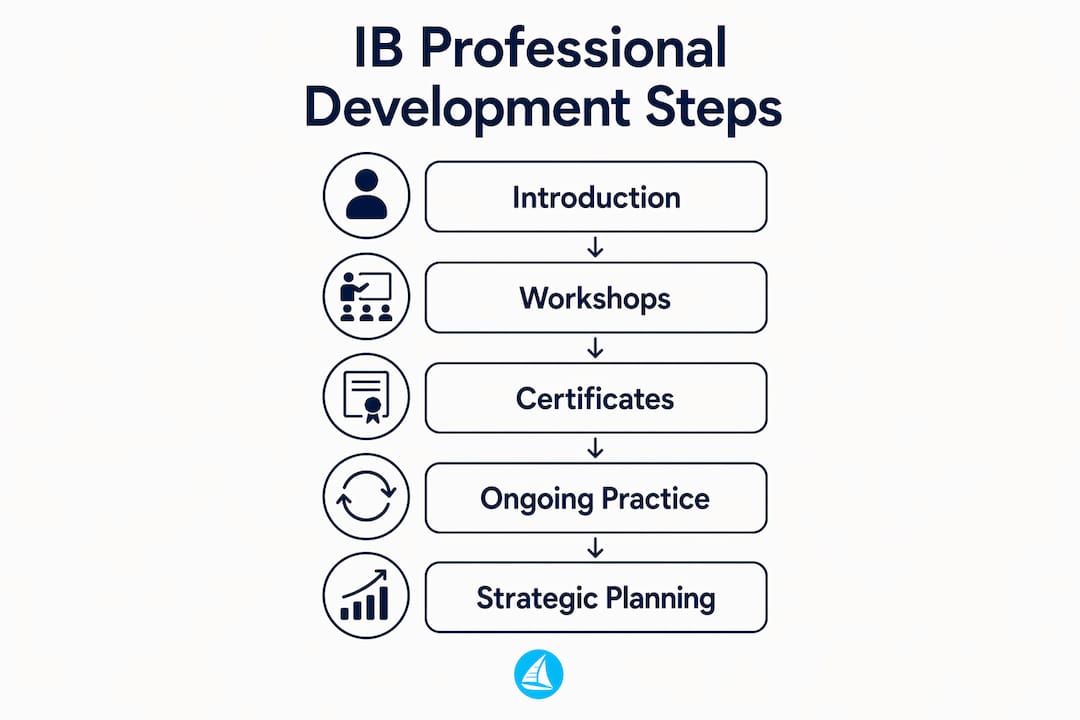
IBEC is available at 60+ institutions worldwide, covering both teaching and leadership roles across IB programmes. That global reach means educators in most regions can access a recognised university partner without relocating.
The distinction between IBEC and workshops matters for career progression:
- Workshops satisfy compliance requirements and build subject knowledge.
- IBEC demonstrates a depth of IB understanding that influences hiring decisions.
- IBEC can fulfil certain authorisation requirements that workshops alone cannot meet.
- School leaders with IBEC credentials carry greater credibility during IB evaluations.
For administrators, IBEC creates a hiring incentive. Candidates holding an IB Educator Certificate signal commitment and readiness that reduces onboarding time. For educators, it represents a career investment with tangible returns in both professional standing and programme impact.
Pro Tip: If your school is planning to expand its IB programme, prioritise supporting at least one senior educator through IBEC. The credential strengthens your authorisation case and builds internal expertise that workshops alone cannot replicate.
What impact does IB professional development have on teaching quality?
The evidence on IB professional development outcomes is clear and encouraging. Research shows that IB PD improves teaching ability, student interaction, and classroom management, with 78.88% of teachers rating it as “good” for pedagogical growth. That figure reflects genuine improvement in how educators design lessons and engage students, not just satisfaction with the training experience itself.
“Implementation success hinges on how schools foster reflective practice rather than mere attendance tracking. Workshops significantly improve lesson design and pedagogical skills, but sustaining professional growth requires an active community of practice within the school.”
The Impact of the Implementation of the International Baccalaureate (IB) Curriculum on Shaping the Quality of Teacher Performance
The challenge is sustainability. Teaching quality improves most when institutions balance formal workshops with ongoing peer collaboration and reflective professional communities. A teacher who attends a Category 2 workshop and returns to an isolated classroom will retain far less than one who debrefs with colleagues and applies new methods within a supportive structure.
Documentation demands present a real obstacle. IB planning and reporting requirements are substantial, and when administrative burdens grow, reflective practice shrinks. Schools that address this by building protected time for collaborative review see stronger, more lasting gains from their PD investment. The IB Educator Network (IBEN) offers one route to sustained engagement, connecting educators across schools and providing pathways into workshop facilitation roles.
How can schools integrate IB professional development into strategic planning?
Effective IB curriculum professional growth does not happen by accident. Schools that treat PD as a compliance task rather than a strategic priority consistently underperform in IB evaluations and teacher retention. The most effective approach aligns PD planning directly with school development goals and programme review cycles.
Joining IBEN gives experienced educators access to leadership roles, including Workshop Leader positions, which deepen their practice and raise the school’s profile within the IB community. This is a resource many schools underuse.
Best practices for IB PD planning include:
- Map each teacher’s current workshop category completion at the start of every academic year.
- Identify subject groups where Category 3 completion is due before the next evaluation.
- Build a school-based professional learning community that meets regularly to share practice.
- Support at least one educator per year in pursuing IBEC to build long-term institutional knowledge.
- Use peer observation and collaborative planning as formal, timetabled activities, not optional extras.
- Review PD records termly, not only when an evaluation is approaching.
For science departments specifically, IB science support resources can complement formal PD by giving teachers access to exam-aligned materials that reinforce the pedagogical approaches introduced in workshops. The goal is coherence: formal training, peer collaboration, and classroom resources working together rather than in isolation.
Key takeaways
IB professional development is the structured combination of workshops, certificates, and collaborative practice that determines both teacher effectiveness and school compliance within the IB framework.
| Point | Details |
|---|---|
| Three workshop categories | Category 1, 2, and 3 serve distinct purposes and carry specific compliance obligations for schools. |
| IBEC exceeds workshops | IB Educator Certificates are university-level credentials that influence hiring and fulfil deeper authorisation requirements. |
| PD improves teaching measurably | Research shows 78.88% of teachers rate IB PD as “good” for pedagogical growth, but sustained gains require school-based support. |
| Community of practice is critical | Reflective peer collaboration within the school sustains the gains made through formal workshop attendance. |
| Strategic planning prevents gaps | Tracking PD completion from the start of each year avoids compliance shortfalls during IB evaluation periods. |
Why IB professional development deserves more than a checklist
The most common mistake I see schools make is treating IB professional development as a compliance exercise. Teachers attend the required workshop, the box gets ticked, and the learning stops there. That approach satisfies the minimum standard, but it misses the point entirely.
The IB framework is built on the idea that learning is continuous, for students and educators alike. The schools that genuinely thrive in IB evaluations are the ones where PD is woven into the culture, not bolted on before a review. I have seen science departments transform their exam outcomes not because they sent teachers to more workshops, but because they created space for honest, regular conversation about what was and was not working in the classroom.
IBEN membership is one of the most underused resources in the IB world. Experienced educators who become Workshop Leaders do not just contribute to the broader IB community. They sharpen their own practice in ways that no passive workshop attendance can replicate. If you are a school leader, actively encouraging your strongest teachers to pursue that pathway is one of the highest-return investments you can make.
The IB educator professional development guide is a useful starting point for mapping your school’s current position and identifying where the gaps are. Start there, then build a plan that goes well beyond the minimum.
— Oliver
How Tibertutor supports IB science educators
Tibertutor is built by IB examiners and experienced educators who understand exactly what effective IB science teaching looks like in practice.
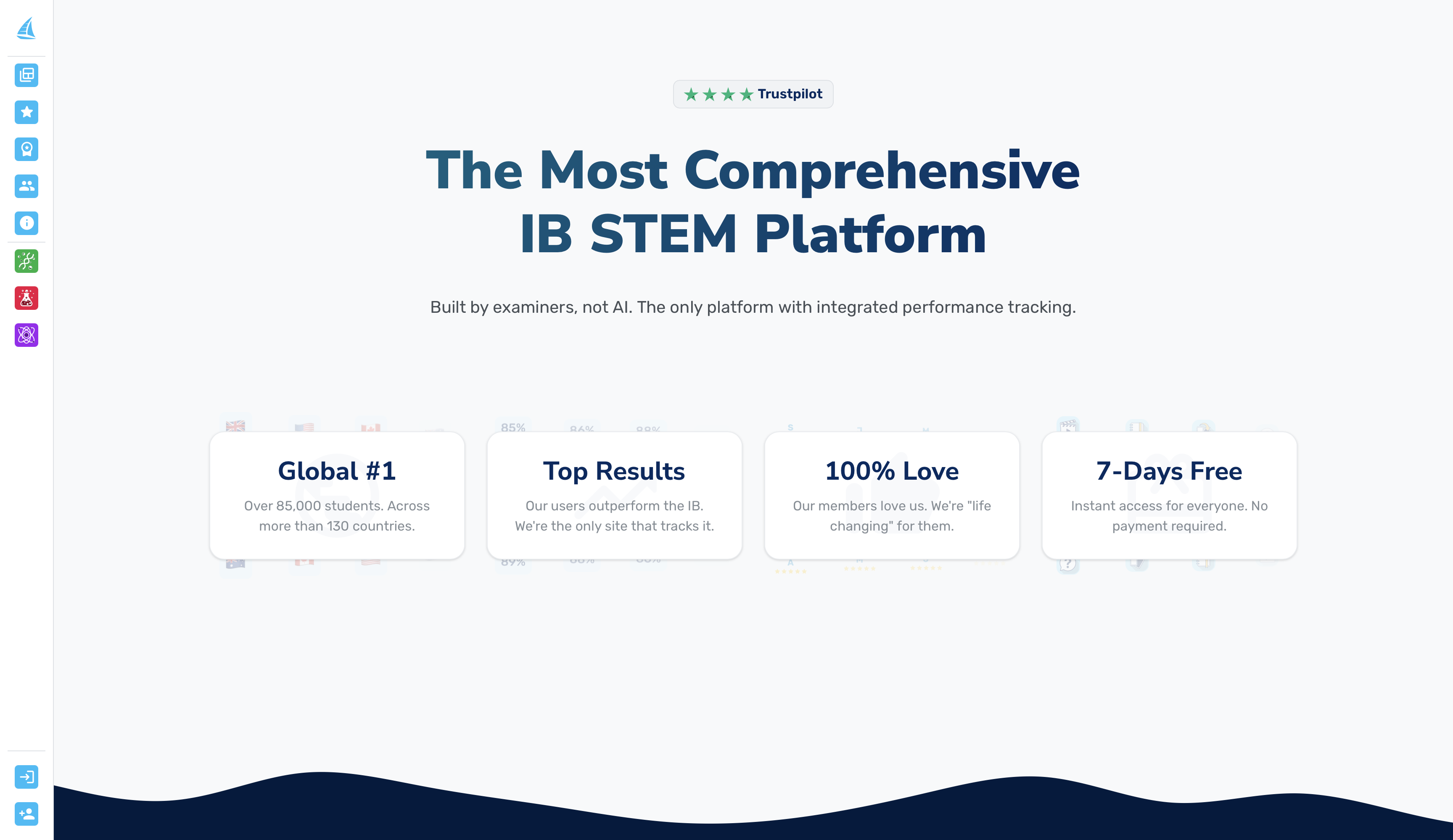
When educators complete workshops and return to the classroom, they need resources that reflect the same rigour and exam focus that IB training promotes. Tibertutor provides IB Biology exam tests and IB Chemistry practice tests that align directly with current syllabus requirements, giving teachers ready-made, exam-quality materials to use immediately. The platform’s analytics help educators identify exactly where students need more support, turning pedagogical insight from workshops into targeted classroom action. For schools committed to genuine IB curriculum professional growth, Tibertutor gives that commitment a practical, daily expression.
FAQ
What is IB professional development?
IB professional development is the structured, ongoing learning process through which educators build the knowledge and skills needed to deliver IB programmes effectively. It includes IB teacher workshops, IB Educator Certificates, and participation in professional learning communities.
What are the three IB workshop categories?
Category 1 introduces IB philosophy for new educators, Category 2 deepens curriculum and pedagogical understanding, and Category 3 develops advanced subject expertise. Schools must have at least one teacher per subject group complete a Category 3 workshop during evaluation periods.
How do IB educator certificates differ from workshops?
IB Educator Certificates (IBEC) are university-level credentials requiring sustained coursework and research, whereas workshops are shorter training events. IBEC fulfils certain authorisation requirements that workshops alone cannot meet and carries greater weight in hiring decisions.
How does IB PD affect student outcomes?
Research shows that IB professional development improves lesson design, student interaction, and classroom management. Sustained gains depend on schools supporting ongoing peer collaboration and reflective practice alongside formal workshop attendance.
What is the IB Educator Network?
The IB Educator Network (IBEN) connects educators globally and provides pathways into leadership roles such as Workshop Leader. Membership supports continuous professional growth and strengthens an educator’s standing within the IB community.