IB Biology D4.1 Further natural selection notes
4 chapters
Loading progress...
Gene pool
A gene pool is all the genes and their different alleles in an interbreeding population. Due to natural selection, different alleles dominate and thus the gene pool of a population changes over time.
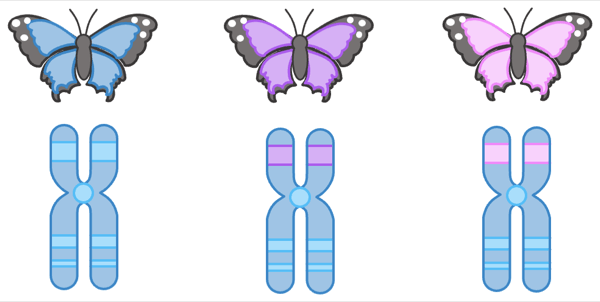
Note that we use population in our definition as allele frequencies will vary by geography. An example you need to remember is sickle cell disease.
- The frequency of the sickle cell allele is much higher in regions where malaria is endemic, like sub-Saharan Africa.
- We learned that this is because heterozygotes are resistant to malaria, and these individuals are thus selected for.
Natural selection is thus population specific as it is the only one living in the area.
tibertutor.com
Next Up
You have completed the sub-topic D4.1 notes, covering "Further natural selection" for IB Biology - continue with related resources below or explore the full IB Biology course from the IBO.
Other Sub-topic D4.1 resources